


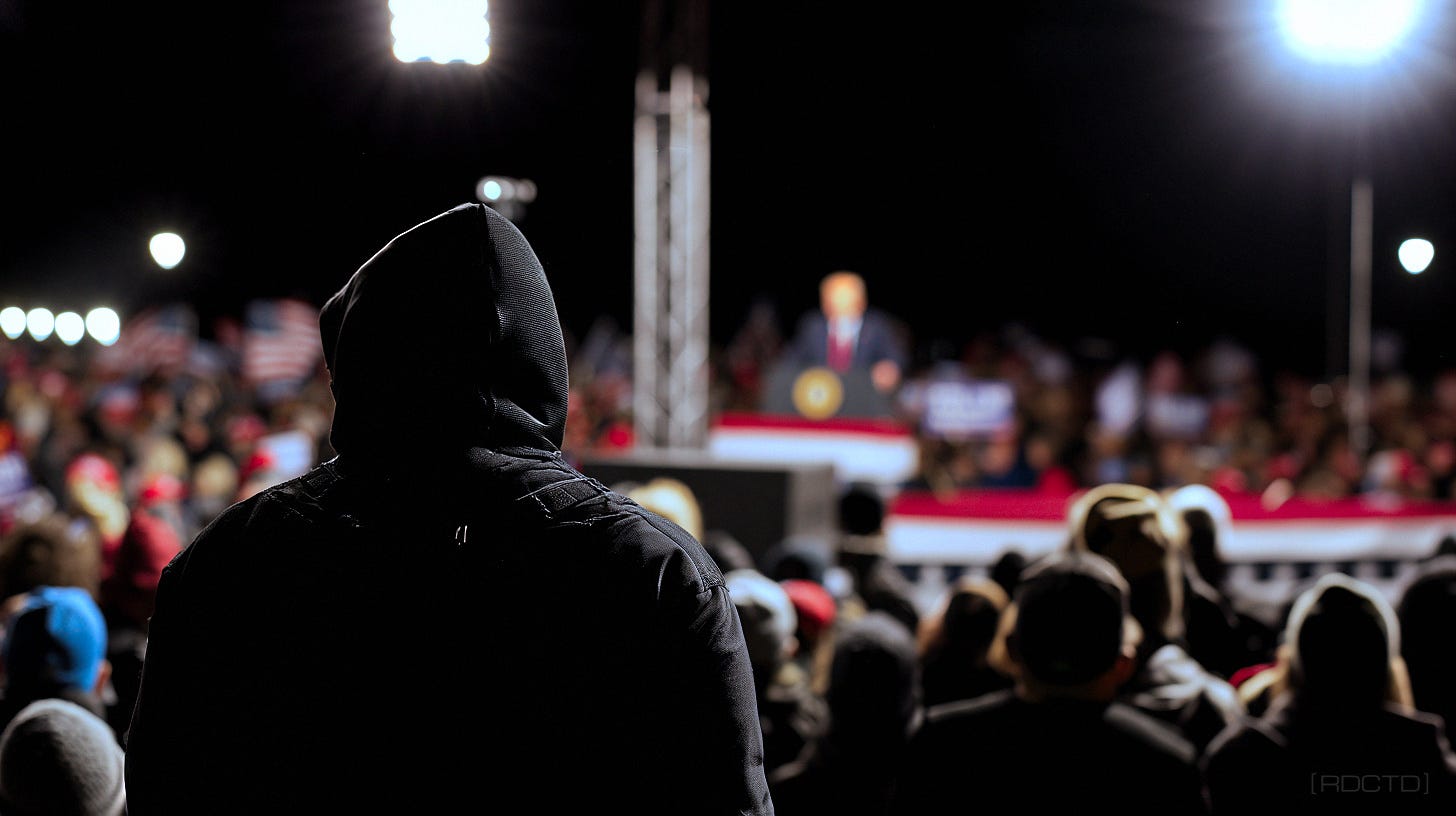
A skilled saboteur won’t attack a movement directly, they’ll persuade it to attack itself while making its members believe they’re saving it.
Subversion succeeds when defending the movement becomes indistinguishable from tearing it apart. The fastest way to neutralize a movement is to redirect its energy inward.
Every group you belong to can be steered from the inside. Your neighborhood association, work team, the volunteer board, the online community you help run - they all sit on the same system. Someone who understands that machinery can wear a group down without ever attacking it head-on.
Intelligence work has a name for this: political movement subversion. An outside actor, or a bad actor already inside, uses a group’s own energy, rules, and legitimacy to weaken it or bend it toward a different goal. The group does the damage to itself, that’s what makes it hard to catch.
You don’t need a foreign service to run the play. It shows up in HOAs, PTAs, small businesses to corporations, churches, hobby clubs, and Discord servers. The stakes are smaller than a coup, but the mechanics are the same.
Most groups can’t be beaten directly, they’re distracted until they stop mattering.
Read The Group The Way an Operative Reads a Target
A group is easiest to destabilize once you understand what actually drives it. Not the mission statement - the real reasons people keep showing up. Most groups run on a blend of belief, identity, status, fear, shared anger, and the plain comfort of belonging somewhere.
Name those drivers honestly and you can also name the fault lines where a group tends to crack:
The purists and the pragmatists.
The long-timers and the newcomers.
The people who care about the mission and the people building a personal platform.
A covert operative sees that as a map, as you should. Watch where the incentives sit, who benefits from a given argument, and which disputes reliably crank up emotion while producing nothing.
Early warning signs:
Loyalty tests that reward performance over usefulness.
Sudden purity spirals over minor disagreements.
The story the group tells about itself drifting week to week.
None of this is exotic, it’s just pattern recognition that’s available to anyone paying attention.
Movements become easy to control when internal conflict consumes the energy once directed toward their mission.
How a Group Becomes The Weapon Against Itself
The play works because the group’s own machinery does the damage. Who sets the agenda, who controls access, what the rules are, who decides which voices get heard, and so on.
Those are the pressure points since they’re the same parts every group needs to function - identity, grievance, status, money, and the pressure to decide things without full information. Lean on them and the group’s decision-making slows to a crawl.
You’ll see it as:
Endless arguments over process instead of outcomes.
Fights over who counts as a “real” member.
A running story that keeps everyone angry and nothing moving.
When it’s working, the group spends more energy policing itself than doing anything, and the person steering it can shrug and say it fell apart on its own. This is influence built on friction, no confrontation or attack required.
Familiar friction is less conspicuous than confrontation, and much harder to prove.
What Binds People, and Where The Seams Are
Every movement is held together by a small set of shared incentives and beliefs. Once you understand what gives them weight, you can see both why the group endures and where pressure will cause it to split.
Groups hold together on four things:
Values - what people believe is right.
Interests - what people get out of belonging.
Identity - who people become by being part of it.
Emotion - pride, fear, anger.
When those line up, the group moves fast and members will eat short-term costs to protect it. When they pull apart, ordinary decisions turn into loyalty tests and moral fights.
Those same four are where outside pressure bites hardest, because they run trust and decision-making. Fire up identity and emotion, and people stop checking facts. They share, accuse, and commit before they confirm.
The method is a steady pressure on gaps that already exist - purists against pragmatists, veterans against newcomers, mission people against status people. It looks like selective outrage, sudden “whose side are you on” framing, and messaging that pushes people to signal loyalty instead of solving the problem.
Map what actually binds a group and what it tolerates under stress. Keep the map current, because motivations move as the group wins, loses, and takes public heat. Watch for heat without yield - the argument volume spikes while progress flatlines.
Fire up identity and emotion, and people commit before they check.
Why The People in Charge Are The Target
Leadership is where the leverage is, naturally. They set the agenda, run communications, and hold the group’s legitimacy. They also hold the boring levers that decide outcomes before any vote:
Who’s on the access list.
How often meetings happen.
What gets sent, and to whom.
The quiet veto that comes from sitting close to the decision-makers.
Pressure on leadership is usually a run of small distortions that pile up until nobody can tell legitimate concern from malicious distraction.
Watch the process for change:
Agendas rewritten at the last minute.
Important votes rushed under “we’re out of time.”
Decisions made in side channels, then announced as settled.
“Emergency exceptions” that keep coming back.
Track who holds the operational tools:
Calendars and scheduling.
Communication channels and mailing lists.
Admin rights on accounts and group pages.
Whoever writes the minutes.
These usually sit with one over-trusted person “because it’s easier.” In practice, those tools decide what’s real and what stays invisible. Whoever schedules the meeting picks who shows up. Whoever runs the lists decides what members hear first and what quietly gets lost. Whoever edits the minutes rewrites the record.
Subversion turns shared conviction into mutual suspicion.
Manufactured Infighting
You don’t have to invent fresh disagreements, just amplify the ones already there until friendly conflict turns into a fight about identity.
The signatures are consistent:
